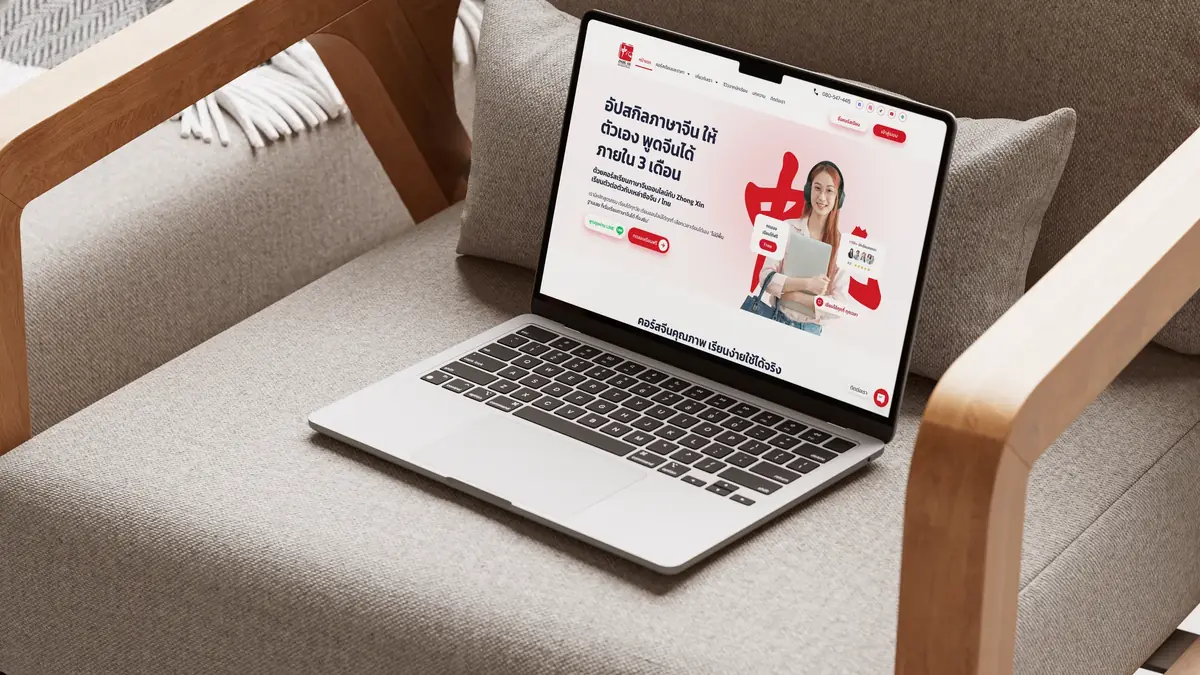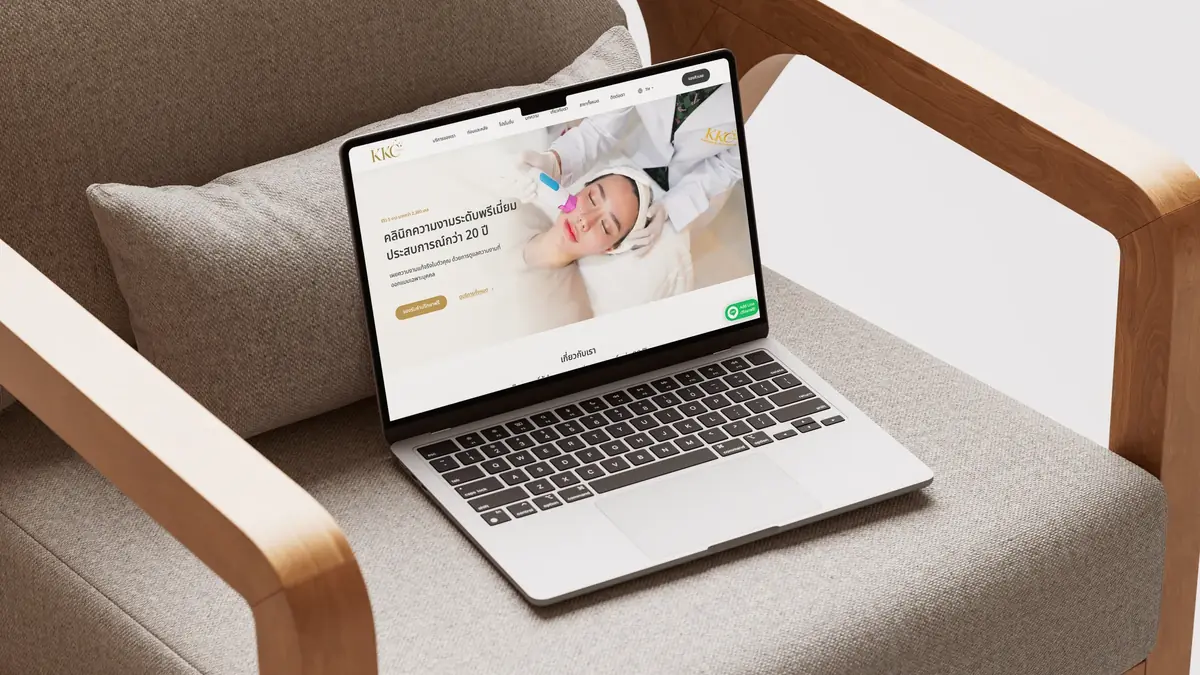

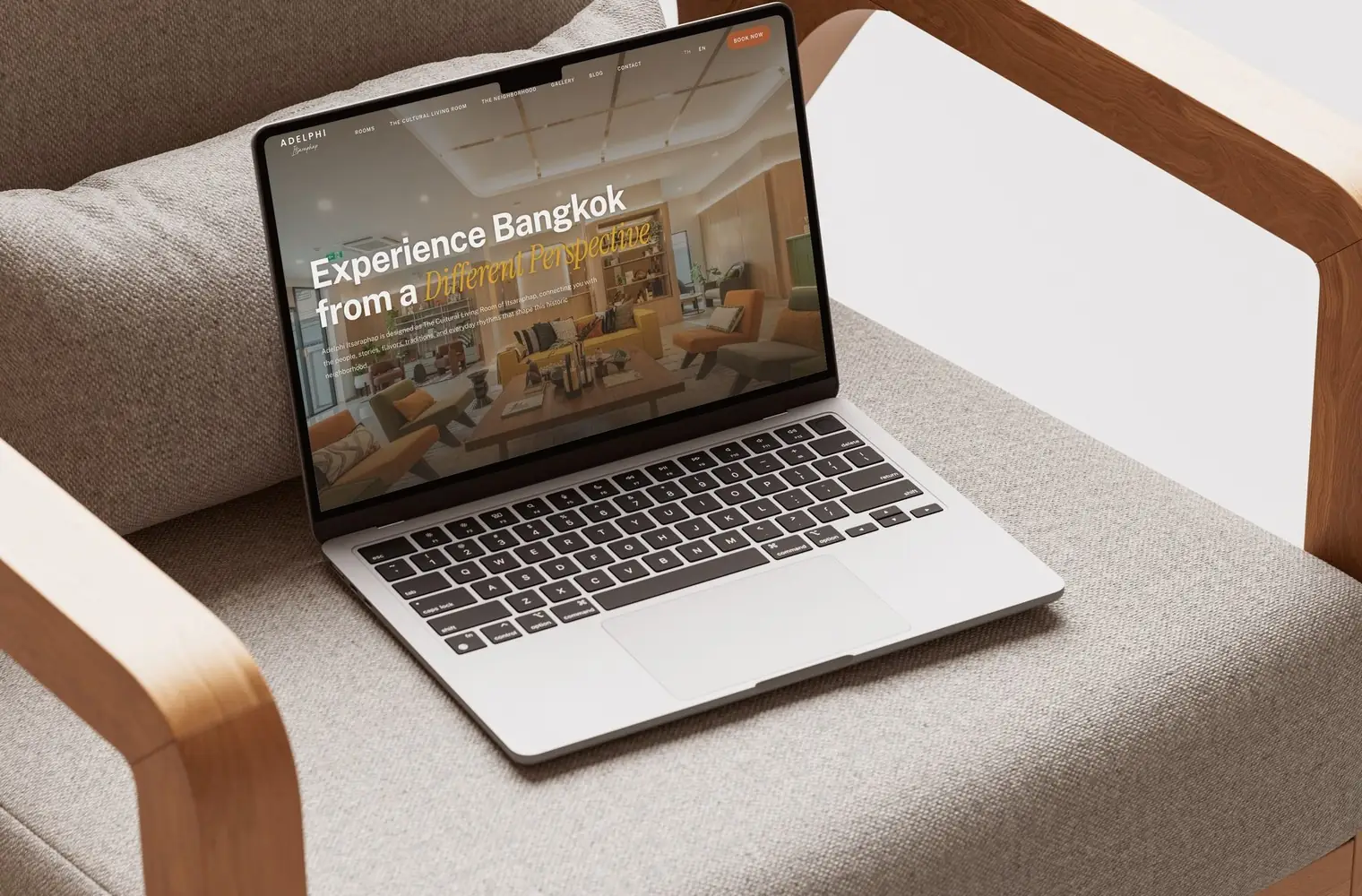
Thai, English and Japanese — built so the site can rank in every language, not only the default one. A translate button will never get you there, because it never creates a page for Google to index.
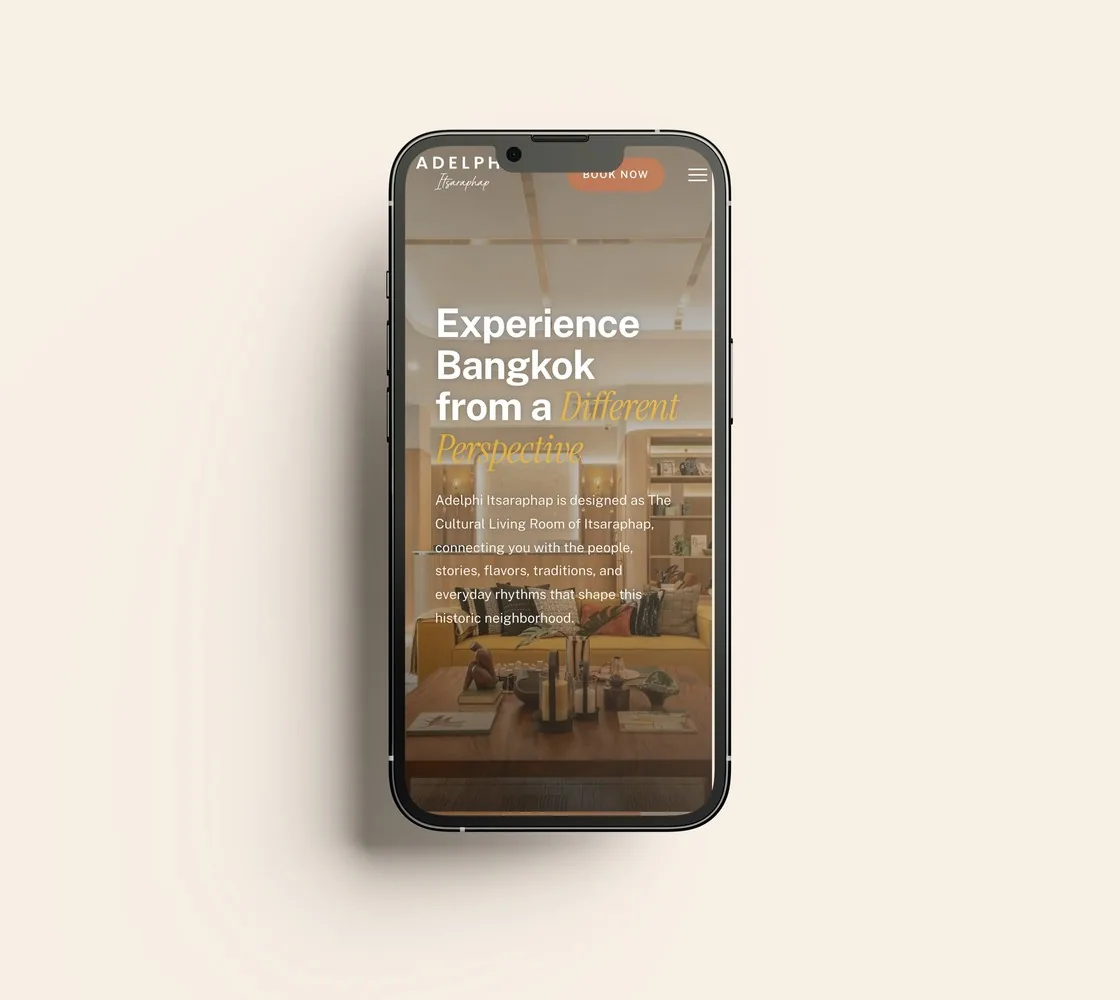
Short answer — a bilingual site done properly gives every language its own URL. The Thai page sits at yoursite.com/services and the English one at yoursite.com/en/services, and the two are tied together with hreflang tags.
Use an automatic translate button instead and Google keeps seeing a single-language site, so second-language searches return nothing — there is no separate URL for Google to index in the first place.
Our bilingual work starts at the ฿42,900 package, which covers ten pages in Thai and English. A third language is quoted per project.
If your business is aimed specifically at the Japanese market or Japanese companies in Thailand, see our dedicated web design for Japanese companies in Thailand service, built for exactly that.
Owners add a second language expecting overseas enquiries, then see none arrive. It almost always comes down to one of three causes.
The button runs once the visitor has already opened the page. It creates no new page for Google to index, so Google keeps treating the site as single-language, and specialist terms in your industry are usually mistranslated
Some builds hide the second language in the markup and swap it with a toggle. Google only indexes whichever language is shown by default, and the other one carries almost no weight
People search differently in each language. Translating a Thai search phrase straight into English usually produces something no English speaker types, so the content never matches the query
We research your market, competitors and how you show up on Google and AI first, then walk you through the plan on our first call, free.
There are three options and they suit different sizes of business. For most clients we recommend subfolders.
| Structure | How the URL looks | Advantages | Drawbacks | Suits |
|---|---|---|---|---|
| Subfolder | yoursite.com/en/services | Every language builds authority for the same domain. Simple to set up, no extra cost | Harder to split management between country teams | Most businesses, including SMEs selling overseas |
| Subdomain | en.yoursite.com | Each language can run on its own system and server | Google treats it as largely a separate site, so authority has to be built again | Sites where each language has a different back-end system |
| Country domain | yoursite.co.th and yoursite.jp | Strongest country signal, and local buyers trust it | Several domains to pay for, and SEO starts from zero on each one | Large organisations with real teams in each country |
Not sure which fits? We work it out for you in the free plan, before any work starts
None of this is visible on the screen, but it decides whether the site ever appears in the second language.
A Thai typeface that stays readable on a phone, line spacing set for vowels and tone marks, and keywords as Thai buyers really type them — usually longer phrases than the English equivalent
Written to read naturally to a native speaker rather than as English translated out of Thai, and aimed at the terms foreign buyers genuinely use when looking for a supplier or service in Thailand
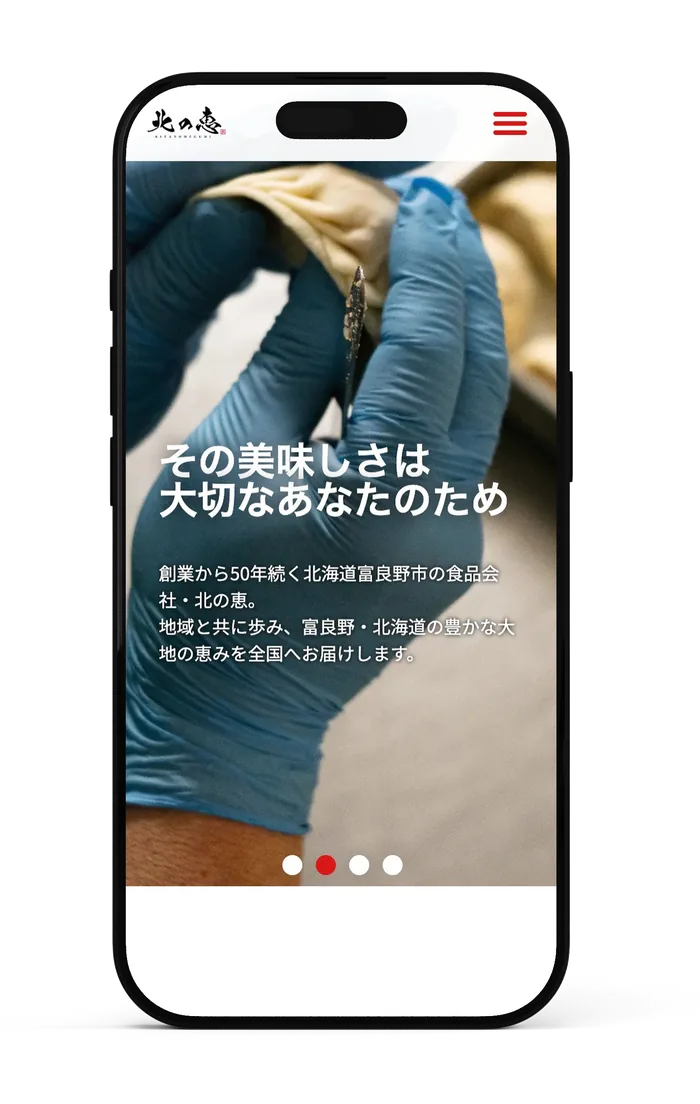
Bangkok has a large Japanese business community searching in Japanese, and very few Thai sites maintain a genuine Japanese version. We build in Japanese and work with clients in Japan
Bilingual work starts at the ฿42,900 package, which covers ten pages in Thai and English.
If you want two languages on a smaller site, we start from the closest package and add the extra pages at ฿2,000 each, because every page has to be produced twice. A third language is quoted per project.
The ฿3,500 yearly system fee is billed separately from the build.
You can, but the site will not rank in the second language. Translate buttons run in JavaScript after the page has loaded, so no new URL is created for Google to index.
Google keeps seeing a single-language site, and English or Japanese searches return nothing. Machine translation also tends to get industry-specific terms wrong, which costs you credibility with the exact buyers you added the language for.
Subfolders in most cases — the main language at the root and the second language under /en/. Every language builds authority for the same domain, setup is simple, and there is no extra cost.
Subdomains such as en.yoursite are treated by Google as largely a separate site, so authority has to be built again from scratch.
Country domains send the strongest local signal but mean paying for several domains and doing SEO from zero on each — worth it only for organisations with real teams in each country.
hreflang is a tag telling Google which language versions of a page exist and at which URLs. You do need it.
Without it Google may treat the Thai and English pages as duplicate content and show only one, or serve the wrong language to the visitor.
The critical part is that every version must link back to every other one, including itself. Non-reciprocal references are ignored, and that is the most common mistake we see. You also need an x-default entry for visitors whose language matches nothing, and correct codes — Japanese is ja, not jp.
Polylang has a free version and is enough for a two-language site with a straightforward structure.
WPML is a paid plugin that handles larger multilingual sites with many pages and a shop more comfortably.
We choose based on the actual size of the job and tell you the licence cost before starting. If a paid plugin is not necessary, we do not install one that renews every year.
You supply the source content. We take care of structuring and adapting it for SEO in each language.
For English and Japanese we can review and adjust the wording so it reads naturally, but full document translation from scratch is not part of the package. If you need it we can point you to a translator, quoted separately.
No. People search differently in each language, and translating a keyword word for word usually produces a phrase nobody actually types.
We research keywords separately per language, looking at real search volume and the competitors ranking in that language, then write the content the way people in that language search — not a line-by-line translation of the Thai page.
฿15,900 / ฿28,900 / ฿42,900, with a comparison against other options in the market
ProcessFrom competitor analysis through design approval to handover and ongoing care
Free planTell us how many languages you need and we research the keywords in each one first
Last updated 9 October 2026
Tell us which languages and which markets you are aiming at. We research the real search terms in that language, look at who ranks on page one, and send you a written plan in 1-2 days.