
I am Natchanon Maitreephaen, known as Daai, and I do the work at Daaistudio. I am based in Bangkok and build websites for clients in Thailand and abroad, in Thai, English and Japanese. Every project starts with research and a plan, and only then moves to design. Much of our work ranks on Google's first page and is cited by AI across many industries, because every project is designed around results — so you get studio pricing that delivers agency-level results and professionalism.
Trusted by businesses in Thailand, Japan, the UK and the USA






















Who Daaistudio is — a web design and build studio in Bangkok, Thailand, run by Natchanon Maitreephaen (Daai), a designer who works across design, web build and SEO, bringing in specialist collaborators project by project.
What we do — design and build business websites on WordPress and Elementor. Every site is designed from scratch, never a stock template, with the SEO structure in place from day one. Clients always receive 100% admin rights.
Languages — Thai, English and Japanese, including multilingual sites with separate URLs and hreflang set up correctly.
Where clients are — Thailand, Japan, the UK and the US, across consumer goods, clinics, agriculture, consulting, real estate and energy.
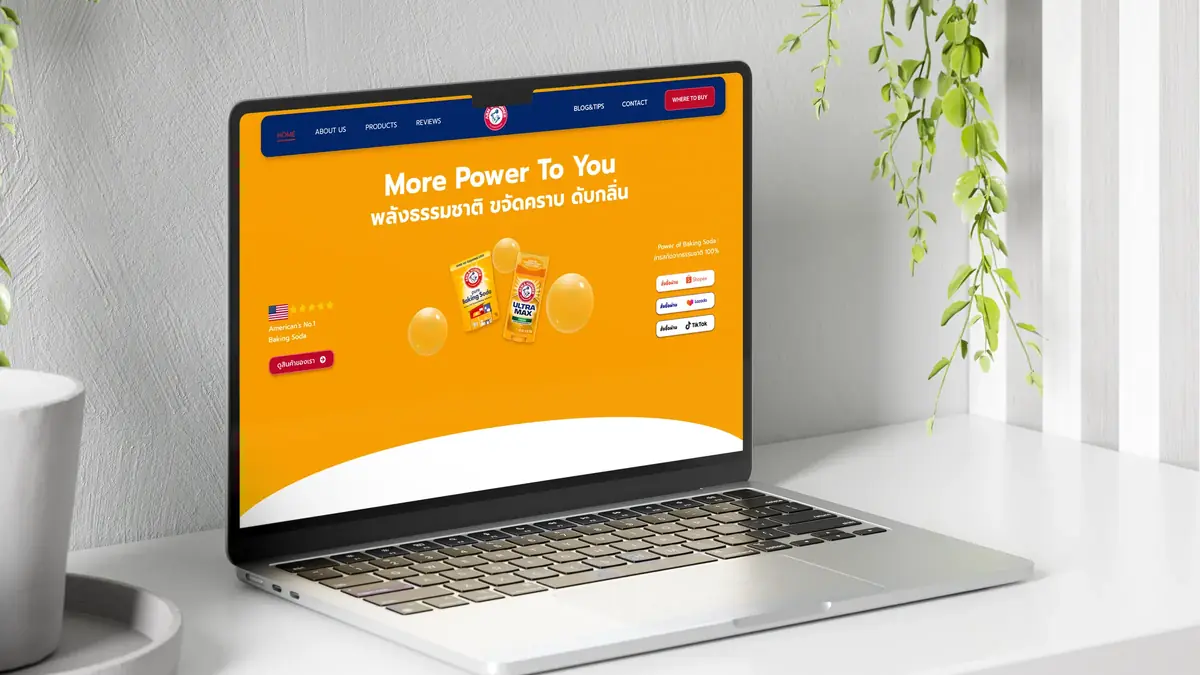
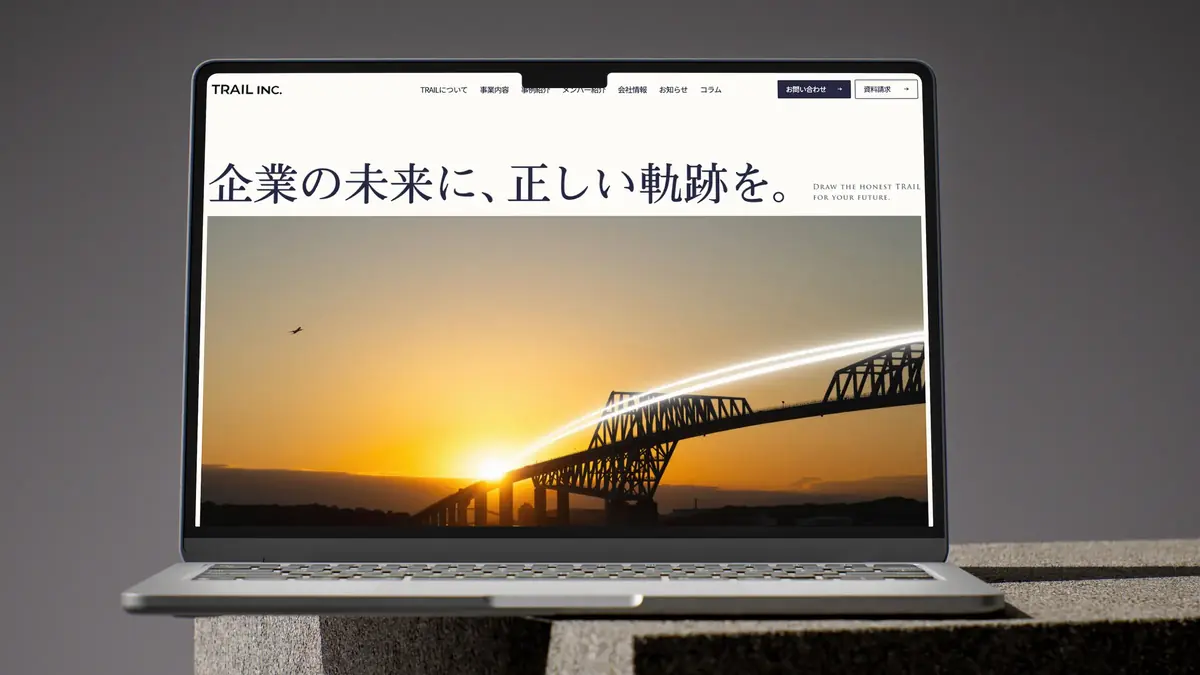
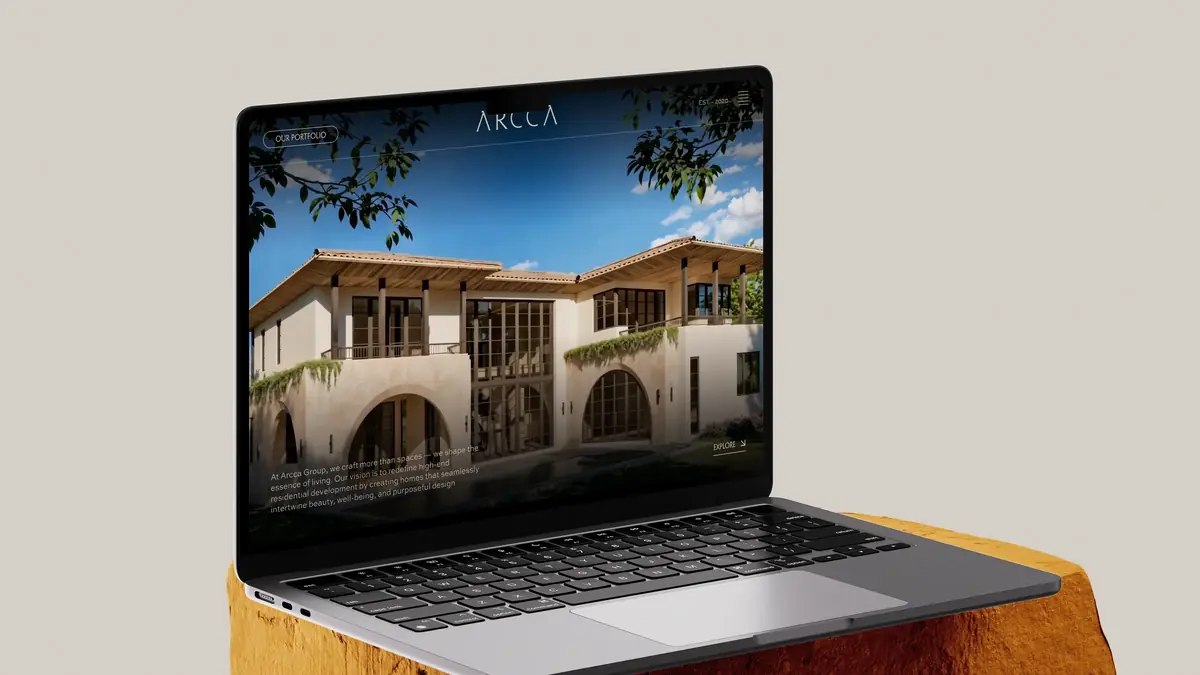
Selected work — Arm & Hammer Thailand, KKC Clinic, Century Olive Tree, Trail Inc., Kitano Megumi, Sonaura Energy, Arcca Group and Zhongxin Thailand.
Before starting the studio I worked in-house at a Japanese company, looking after design and web work inside the team. I saw a lot of websites in that period — ours, our clients', and our competitors'. The same thing kept showing up: sites that looked good but had no visitors, or had visitors who never got in touch.
When I looked closely, the problem was rarely the design. It was that nobody had planned before building. Nobody had asked who this business actually sells to, what those people type into Google, what the competitors on page one have written, or what this site needs to answer in order to win the work. Skip those questions at the start and no amount of good design makes up for it.
So I opened Daaistudio to do web work that always begins with research. Every project starts by looking at the market, at the competitors sitting on Google page one, and at what the business genuinely needs from a site — then that research turns into a page structure and a design. I handle both the design and the SEO myself, so nothing gets lost handing off between the two.
A fair amount of how I work came from that Japanese company: careful, on time, and attentive to small things like spacing, type size and consistency across the whole site. That does not mean every project is flawless. It means if I say a date, I deliver on that date, and if something goes wrong I tell you plainly rather than letting it slide.
We research your market, competitors and how you show up on Google and AI first, then walk you through the plan on our first call, free.
Not marketing lines — this is the actual working method, used on everything from a one-page site to a multilingual company site.
Before any design file is opened, we research who your customers are, what they search for, and how the competitors ranking on Google page one have laid out their content. That becomes a written site structure you see before real work begins
Every site is designed around your brand and your content, not a stock theme with the colours and photos swapped. You see and approve the real design before we build anything
Every site runs on WordPress with Elementor, so you can change text, swap images and publish articles without writing code. You get full 100% admin rights — the site is genuinely yours, and you never have to come back to us for a password
Analytics are installed on every project from the day it goes live. You can see where people arrive from, which pages they read, and how they get in touch. A site nobody is measuring cannot be improved
These are projects we have actually built, grouped by market and sector. Full details for each are on the work page.
Thailand · Japan · UK · USA
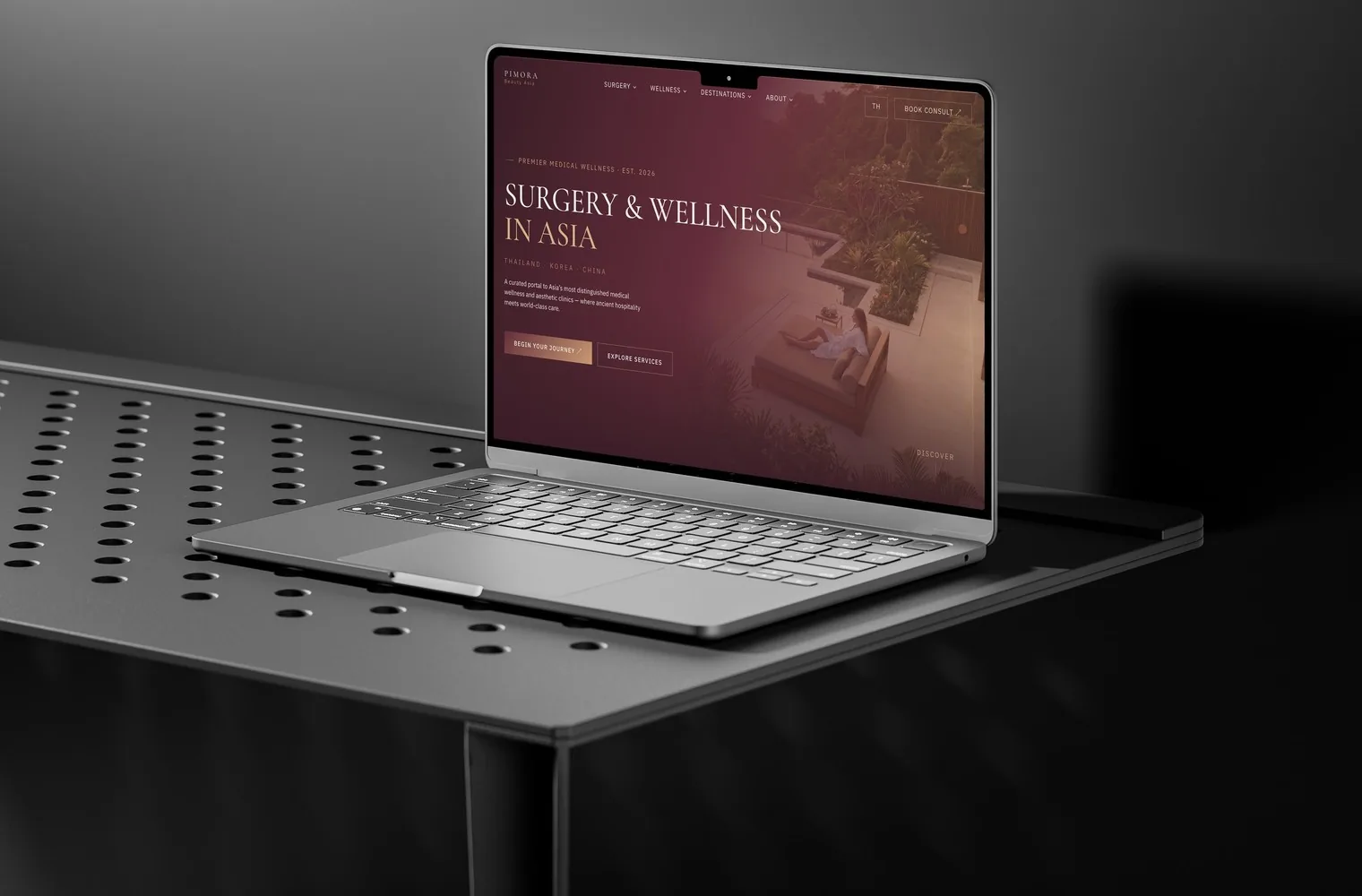
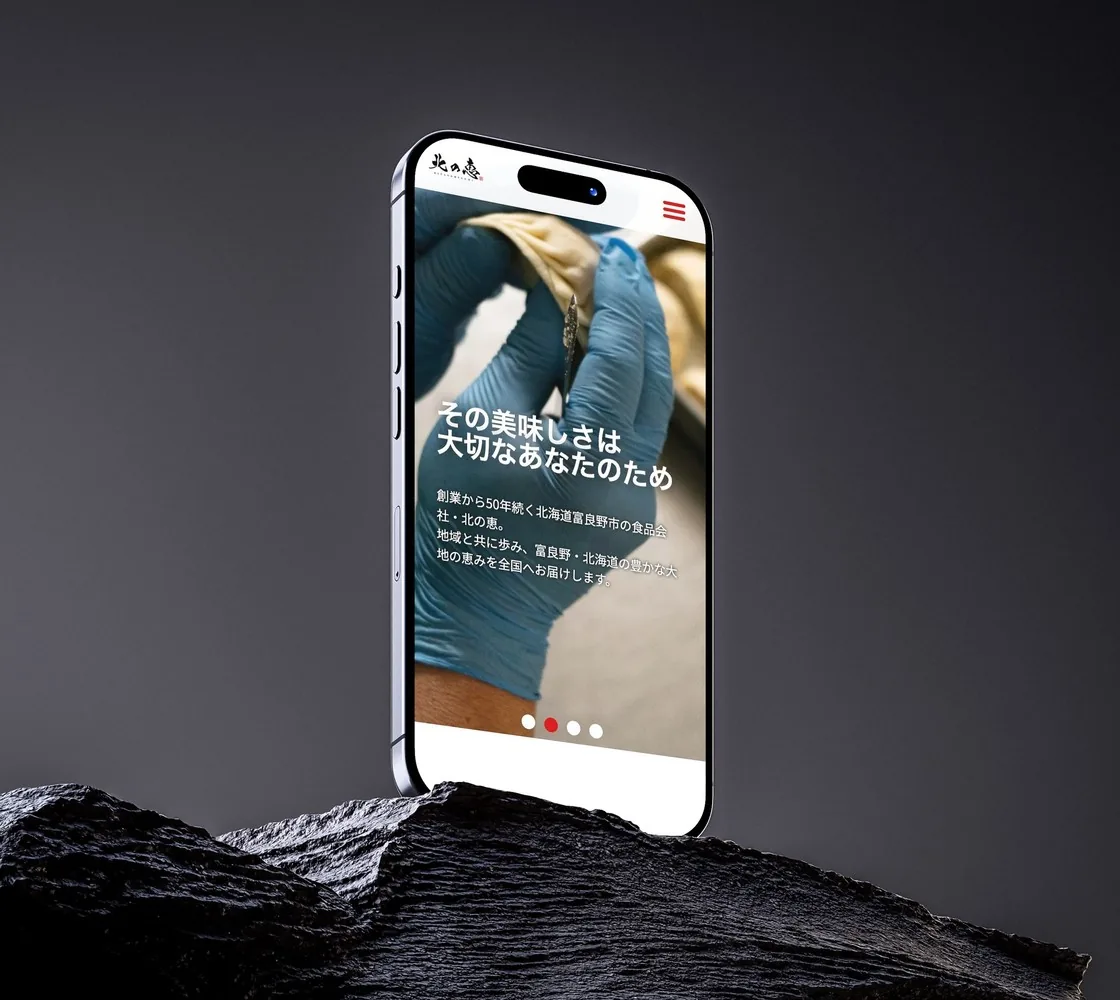
An FMCG brand site for the Thai market, with product pages and brand content structured so people can find them through Google
An agriculture business in Thailand and a food brand from Japan, both focused on explaining where the product comes from and how it is made, clearly and in one place
A medical aesthetics clinic in Bangkok and a wellness concept brand from Japan, with treatment and process content written so readers can decide for themselves
A consulting firm in Japan and an agency, both needing a corporate site that reads as credible and explains hard-to-pin-down services clearly
Luxury real estate, and a green energy business in the UK — work where the imagery and tone have to match the value of what is being sold
A Chinese language school in Thailand, with course pages and an enrolment path that lets parents find everything they need without leaving the site
We work and deliver in all three languages, and can speak to Japanese clients in Japanese directly, without anyone in between.
Two- or three-language sites done badly usually end with an automatic translate button in the top corner, and that is treated as the job done. The problem is that Google does not see a script-translated page as a new page, because the URL has not changed. You have English or Japanese content on the site, but it will never rank in those languages.
The right way is a real separate URL per language — the Thai page at /about, the English page at /en/about, the Japanese page at /jp/about — with hreflang declared so Google knows these are the same page in three languages. Then Google sends Thai readers to the Thai page and Japanese readers to the Japanese page by itself.
The other thing machine translation cannot handle is tone. Japanese business writing has levels of politeness that read as unprofessional the moment they are wrong, and Thai translated word-for-word from English is instantly recognisable as not written by a Thai person. Content in each language should be written again for its readers, not converted word by word.
Search terms do not line up either. What a Thai person types to find something and what a Japanese person types to find the same thing are usually not translations of each other. If you want a multilingual site to work, the terms have to be researched separately per language and the content built around them.
Stated plainly, so there is nothing to discover later.
You get a full written plan within 1-2 days before any payment. Read it, then decide. Request it on the free plan page
We read your market, the competitors already ranking, and your existing site. Every layout and keyword decision traces back to something we found there
The site is yours on delivery — full admin access, the domain in your company name, a walkthrough and a manual. Nothing is locked to us
Business sites, multilingual sites, SEO and GEO, and improvements to a site you already have
ProcessFrom competitor analysis through design approval to handover and ongoing care
Free planSend your business details and get a market and competitor analysis back to read first
Last updated 24 October 2026
Tell us what your business does and where it is stuck. We analyse your market, the competitors ranking on Google page one, and your existing site, then send the whole thing back as a written plan.