

Short answer — Google Ads is Google's paid advertising system that lets a business "bid on searches" so its site appears at the top of the results (marked "Sponsored"), paying only when someone clicks (Pay-Per-Click). The upside is instant results and precise targeting; the downside is you pay continuously, and the ad disappears the moment you stop. That's the opposite of SEO, which takes longer but doesn't charge per click. For most SMEs, the best value is using both together.
Many business owners have seen the results marked "Sponsored" at the top of Google and wondered what they are, how they work, and whether they should run them. This article explains it simply so you can decide whether Google Ads suits your business right now.
What is Google Ads
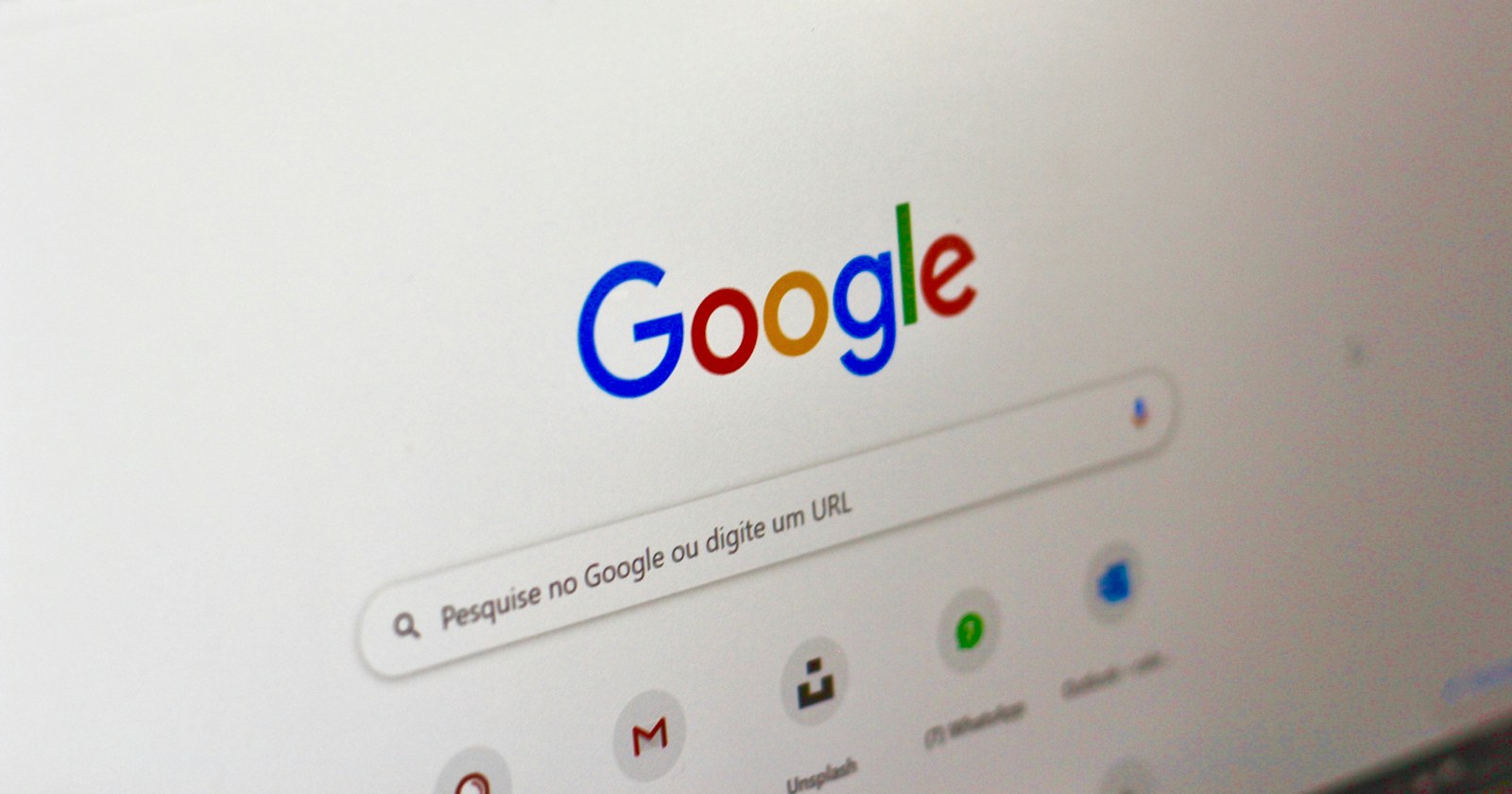
Google Ads (formerly Google AdWords) is Google's advertising platform, letting a business buy placement on Google Search, YouTube, Gmail, and Google's partner sites. The goal is to appear in front of people searching for exactly what you sell. Unlike organic results, you pay for the placement and it carries an ad label.
How Google Ads actually works
At its core is an "auction" that runs every time someone searches. A business chooses the search terms it wants to appear for, sets what it will pay per click, and Google ranks the ads on two main factors:
- Bid — the most you'll pay when someone clicks your ad
- Quality Score — how relevant your ad and its landing page are to the search. The more relevant and the better the page, the less you pay and the higher you rank
The key point: you only pay when someone clicks (Pay-Per-Click) — impressions are free — and the landing page matters a lot. Ads that send people to a fast page that closes sales earn a higher Quality Score and cost less.
What types of Google Ads are there
- Search Ads — on the results page, for people actively looking to buy (high intent)
- Display Ads — image banners across websites, good for brand awareness
- Shopping Ads — product ads with a photo and price, for online stores
- YouTube Ads — video ads, good for storytelling and recall
How Google Ads differs from SEO
Both get you found on Google, but differently. Google Ads pays to appear instantly at the top, and vanishes when you stop paying. SEO tunes your site to rank for free, taking longer but compounding over time. Many people still click organic results over ads because they feel more trustworthy.
Want a website ready for both ads and SEO from day one?
Ads only pay off when the landing page closes the sale. We design fast sites with a path to conversion built in from the start. Tell us about your business and get a plan with pricing first.
Limited budget — is Google Ads worth it for an SME
Yes, if you use it well. Google Ads suits businesses that want customers fast, or have search terms with clear buying intent (like "air-con repair near me"). But set up wrongly — terms too broad, or a weak landing page — and the click budget burns fast. Start small, focus on high-intent terms, measure how many real customers you get, then scale. And most important: have a page that closes sales first, or the ad spend is wasted.
Summary
Google Ads is pay-per-click advertising that works fast but requires ongoing spend, unlike SEO which is slower but compounds. For most SMEs the best value is using ads to bring in customers early while building SEO, with a website that closes sales as the foundation. If you want a site that supports both, get a free plan, or read next about Facebook ads vs SEO.